
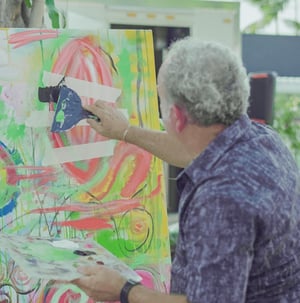
One of the most persistent—and quietly discouraging—beliefs in the art world is the idea that if you didn’t pursue art early, you’ve missed your chance.
This myth affects many people who come to art later in life, return to it after years away, or finally decide to take their work seriously after building a career elsewhere.
The truth is far more encouraging:
There is no age limit on becoming a professional artist.
In fact, many artists who start later bring advantages that younger artists are still developing.
🎨✨ Unleash Your Creative Power ✨🎨
The Milan Mastery Program helps you find your unique artistic voice, refine your skills, and step confidently into the life of a professional artist. With world-class mentorship and a global community, your journey to mastery starts now. 🌍💫
Where This Myth Comes From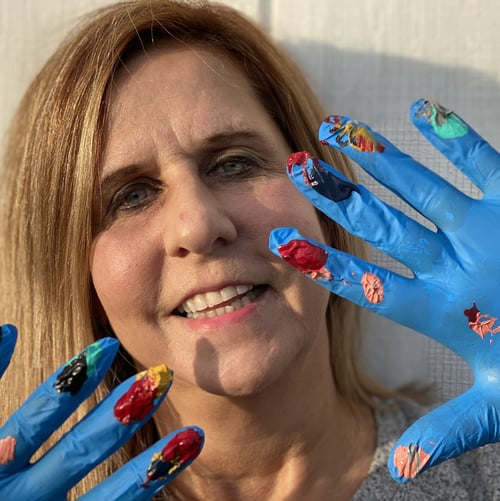
The art world often celebrates stories of early discovery and youthful genius. These narratives are compelling—but incomplete.
What they leave out are the far more common realities:
-
Artists who spent years building skill privately
-
Careers that unfolded gradually rather than explosively
-
Artists whose strongest work emerged after life experience shaped their voice
Professional art careers are rarely linear. They are built through sustained effort, clarity of vision, and consistent practice—qualities that tend to strengthen with time.
Do Artists Really Peak Early?
The assumption that artists peak young misunderstands what success in art actually requires.
Technical skill is only one part of the equation. Sustainable careers also depend on:
-
Personal voice
-
Emotional depth
-
Self-discipline
-
Critical thinking
-
Long-term commitment
-
An understanding of how the art world functions
These qualities often deepen later in life, not earlier.
For many artists, early years are exploratory. Their most confident and cohesive work often comes later—when they understand their intentions and direction more clearly.
Why Starting Later Can Be an Advantage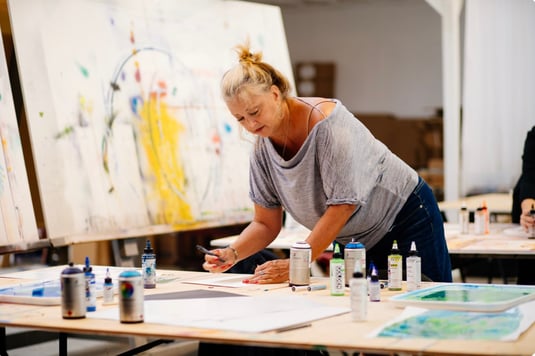
Coming to art later in life does not mean starting from zero. It often means starting with tools that matter.
1 - Life Experience Shapes Stronger Work
Years of lived experience give artists:
-
Emotional range
-
Perspective
-
Meaningful subject matter
-
A clearer sense of purpose
This depth shows up in the work—and audiences respond to it.
2 - Older Learners Develop Skills More Intentionally
Artists who start later tend to:
-
Practice with focus
-
Value structure
-
Seek mastery rather than shortcuts
-
Commit consistently
Instead of chasing trends or external validation, they work toward long-term growth.
3 - Transferable Professional Skills Matter
Many artists coming later bring skills from other careers:
-
Communication
-
Reliability
-
Time management
-
Strategic thinking
-
Follow-through
These qualities are essential for professional success in art—and often overlooked in traditional art education.
Why You Don’t Need a Fine Art Degree to Be a Professional Artist
A common concern for older artists is the belief that they’ve missed the window to “do it properly” by earning a fine art degree.
But in today’s art world, degrees are not a requirement for professional success.
Collectors, galleries, and buyers care about:
-
The quality of the work
-
Consistency and growth
-
Professional presentation
-
Clear artistic voice
They do not require academic credentials.
Traditional fine art degrees were designed primarily for academic pathways, not for building sustainable careers as working artists. They often emphasize theory, critique, and institutional validation—while offering limited instruction in:
-
Skill mastery
-
Portfolio development
-
Career strategy
-
Market realities
For many artists—especially those starting later—this structure can be misaligned with their goals.
Why a Mastery-Based Program Is Often a Better Fit for Older Artists
Artists coming later in life usually aren’t looking for credentials. They’re looking for results.
A mastery-based program focuses on:
-
Developing high-level technical skill
-
Building a cohesive body of work
-
Refining artistic voice
-
Understanding professional pathways
-
Applying learning directly to practice
Rather than dividing attention across unrelated coursework, mastery programs prioritize depth, repetition, and real-world application.
This approach aligns well with how older artists learn best: intentionally, efficiently, and with clear purpose.
The Market Cares About Commitment, Not Age.jpg?width=633&height=452&name=Student%20drawing%20(1).jpg)
Another fear behind this myth is the idea that the art market favors youth.
In reality, buyers respond to:
-
Confidence
-
Clarity
-
Consistency
-
Professionalism
Artists who present themselves with intention and reliability often inspire more trust, regardless of when they began.
Many collectors value artists who demonstrate long-term dedication to their work, not fleeting visibility.
The Real Question Isn’t “Am I Too Late?”
The more useful question is:
“Am I ready to approach this professionally?”
Success in art is shaped by:
-
How you train
-
How you think about growth
-
How consistently you work
-
How seriously you take your development
Artists who begin later often succeed not in spite of their timing but because they approach the process with clarity and commitment.
The Bottom Line
There is no expiration date on becoming a professional artist.
Starting later often means:
-
Stronger focus
-
Deeper work
-
Better discipline
-
Clearer goals
You do not need a fine art degree to succeed. You need:
-
Skill
-
Structure
-
Consistency
-
A long-term perspective
For many artists, choosing a mastery-driven path later in life isn’t a compromise—it’s the most direct route forward.
So, is it too late to become a professional artist?
Only if you believe creativity has an expiration date. Art isn’t a race with a starting gun you somehow missed—it’s a practice, a way of seeing, and a commitment that deepens with lived experience. Every year you’ve spent observing, struggling, working, loving, and changing has quietly sharpened your voice. The world doesn’t need younger artists; it needs honest ones. If the urge to make art keeps returning, that’s not nostalgia—it’s direction. Start where you are, with what you have, today. The door isn’t closing. In many ways, it’s just opening. Take the first step and sign up for the Mastery Program.