

Every artist knows the feeling.
You are deep in a painting. The forms are there. The colors are working. The composition feels strong. And yet you keep going. A little more blending. A few more details. One more highlight. One more adjustment.
Somewhere between refinement and overworking, the magic can disappear.
Finishing a painting is not about doing everything. It is about knowing what truly matters at the end. Let’s talk about the three keys that define a strong finish: highlights, edges, and knowing when to stop.
Highlights: The Final Notes of Light 
When placed intentionally, highlights direct the viewer’s eye. They create hierarchy. They tell us where the light is strongest and what deserves attention.
The mistake many artists make is adding highlights everywhere. If everything shines, nothing shines.
Instead, ask yourself:
- Where is the dominant light source?
- What is the focal point?
- Where do I want the viewer to look first?
Reserve your brightest lights for the most important area. Let the rest stay quieter. When highlights support your value structure instead of competing with it, the painting feels intentional and powerful.
A well-placed highlight can bring a painting to life. Ten random ones can flatten it.
Edges: The Language of Focus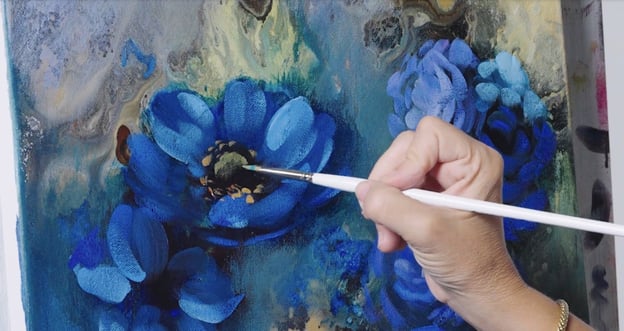
Edges are one of the most overlooked finishing tools.
Hard edges demand attention. Soft edges create atmosphere. Lost edges create mystery.
When a painting feels unfinished, it is often not because it lacks detail. It is because the edges are not organized.
Look at your focal point. Are the edges there clearer and more defined? As you move away from the center of interest, do the edges soften and simplify?
If every edge is sharp, the painting becomes noisy. If every edge is soft, the painting becomes vague. The magic happens in contrast.
At the finish line, instead of adding more objects or details, refine your edges. Sharpen where you want clarity. Soften where you want depth. Lose edges where forms dissolve into shadow or background.
Edges create sophistication without adding clutter.
When to Stop: The Courage to Leave It Alone 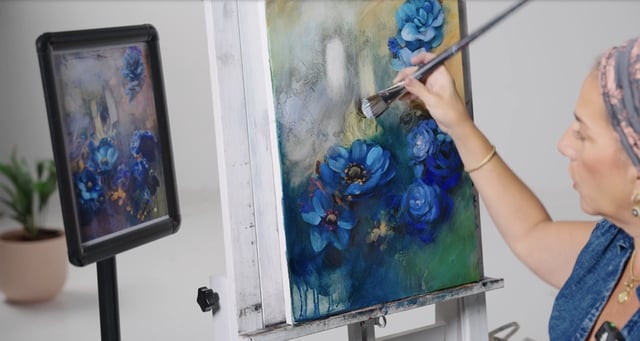
Knowing when to stop is a skill.
Many artists overwork their paintings not because they lack talent, but because they lack a clear standard for “done.”
Here is a simple checklist to help you decide:
- Is the value structure clear when you squint?
- Is the focal point obvious?
- Are the highlights supporting the light source?
- Do the edges guide the eye instead of distracting it?
- Does the painting communicate the original intention?
If the answer is yes, you may already be finished.
A painting does not need every detail rendered. It needs clarity of idea. Often, the freshness of early brushwork carries more life than hours of additional refinement.
There is a point where further adjustments no longer improve the painting. They only change it.
Stopping takes discipline. It also takes trust.
Finishing Is a Skill You Can Train
Professional artists are not guessing at the finish line. They are making conscious decisions about light, edges, and hierarchy. They understand structure deeply enough to recognize when the painting is resolved.
This level of awareness does not happen by accident. It comes from mastering fundamentals, practicing intentionally, and learning to see your work objectively.
If you want to develop the confidence to finish your paintings with clarity and strength, this is exactly what we train inside the Mastery Program at Milan Art Institute.
You will learn how to build strong value foundations, control edges with purpose, place highlights strategically, and most importantly, recognize when your painting is complete.
Because finishing well is not about doing more.
It is about knowing what matters most.
If you are ready to elevate your work and step into that level of artistic control, explore the Mastery Program and start building the skills that carry your paintings across the finish line with confidence.