
There is no single “correct” way to build a successful art business—but there is a right business model for you, your work, and your goals.
Artists who consistently scale beyond five figures do so by aligning their creative practice with intentional income streams, strong audience relationships, and systems that compound over time. Understanding how different business models work—and when to use them—can help you grow without burnout while staying true to your artistic voice.
The Four Stages of an Art Business
Before choosing a business model, it’s essential to understand where you are in your growth journey. Most artists move through four key stages:
Foundation – Developing skill, style, and a strong body of work
Validation – Making consistent sales and identifying who buys your art
Optimization – Refining pricing, offers, and marketing systems
Scaling – Creating repeatable, compounding income streams
Each stage calls for different strategies. Trying to scale too early—or staying stuck in validation—often leads to frustration and inconsistent income.
Three Artists, Three Distinct Business Models
Successful art businesses are rarely one-size-fits-all. These three examples show how different models can thrive when aligned with the artist’s strengths and audience.
Tanya Aubut: Gallery + Direct-to-Collector Hybrid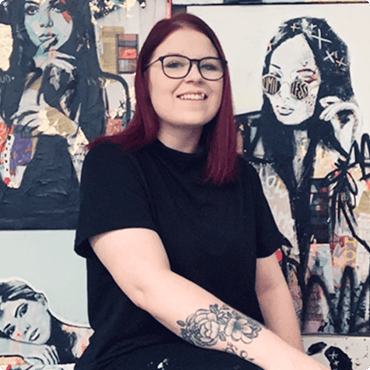
Tanya transitioned from working outside the art world to becoming a full-time artist represented by multiple galleries. Her income streams include:
-
Large original paintings through galleries
-
Small and medium originals sold directly online
-
Prints, merchandise, and coaching
Growth Focus: Strengthening direct relationships with collectors through email marketing and social media, rather than relying solely on galleries.
This hybrid model offers visibility and credibility while maintaining higher-margin direct sales.
Rita Vicari: Events, Mentoring, and High-Touch Sales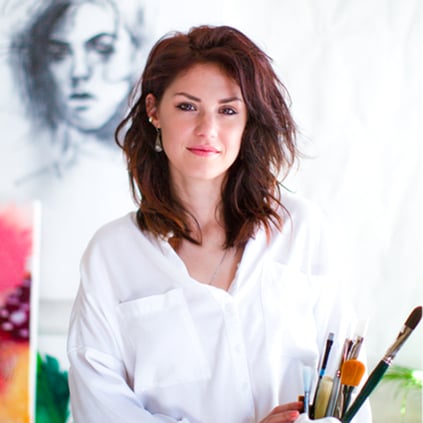
Rita generates close to six figures annually through a diversified mix of:
-
Art shows and in-person events
-
Direct collector sales
-
Mentoring
-
Commissions and brand projects
Growth Focus: Improving lead capture and follow-up after art shows, along with more intentional sales offers.
Her business highlights how in-person selling can be highly profitable when paired with consistent audience nurturing.
Bri Zerman Felix: Originals + Scalable Offerings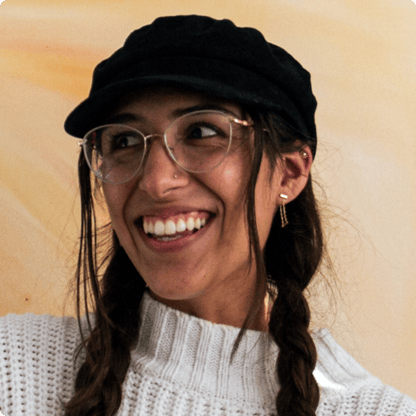
Bri combines multiple income streams, including:
-
Original artwork
-
Commissions
-
Prints
-
Mentoring
Growth Focus: Developing recurring and milestone-based offers, such as themed print series connected to meaningful life moments.
This model demonstrates how artists can scale income without increasing studio output by creating products that serve specific audiences.
Core Business Models for Artists
Most thriving art businesses use a combination of these proven models:
1 - Original Art Sales
-
Galleries
-
Studio visits
-
Private collector sales
Best suited for artists creating fewer, higher-priced works with personalized sales experiences.
2 - Prints & Editions
-
Limited edition prints
-
Bundled collections
-
Print-on-demand from companies like FinerWorks or Printful
Prints create accessible entry points and increase collector lifetime value.
3 - Education & Mentoring & Artist on Residency
-
Coaching and Mentoring
-
Teaching or Streaming Courses
-
Education Programs or memberships
- Artist on Residencies
Ideal for artists who enjoy teaching and want scalable, high-margin income along with community involvement
4 - Events & Experiences
-
Studio openings
-
RSVP-only collector nights
-
Themed exhibitions
Experiential sales deepen connection and often lead to higher-value purchases.
Why Lead Generation Changes Everything
Scaling an art business requires more than visibility—it requires leads.
A lead is someone who has shown genuine interest by sharing their contact information, attending an event, or engaging beyond social media. Email marketing remains one of the most effective tools for nurturing these relationships.
Best practices include:
-
Weekly value-driven newsletters
-
Short welcome email sequences for new subscribers
-
Segmenting buyers and non-buyers
-
Using social media to test ideas and drive lead magnets
Artists who consistently nurture their audience see stronger engagement and more predictable sales.
Creating Content Collectors Respond To
While many artists focus content on process, collectors are often more interested in transformation and personal connection to the artist.
High-performing content includes:
-
Before-and-after reveals
-
Finished artwork in real spaces
-
Simple videos with text overlays
-
Stories that connect art to emotion and life milestones
The goal is not to post constantly, but to communicate value clearly and consistently.
Upselling Without Pressure
Upselling is simply offering the next logical step for an interested buyer.
Examples include:
-
Limited edition print bundles
-
Following up with print buyers about originals
-
Offering payment plans for higher-ticket pieces
-
Time-bound or scarcity-based offers
- Adding frames or "white gloves" service for delivery
When done thoughtfully, upselling feels supportive—not pushy.
The Mindset Shift That Unlocks Growth
Many artists hesitate to sell, follow up, or niche their work due to fear of being intrusive or limiting their audience.
In reality, clear offers and consistent communication make it easier for the right collectors to say yes. Selling art is not about persuasion—it’s about inviting people to bring meaning and beauty into their lives.
So, What Business Model Is Right for You?
The right art business model:
-
Aligns with your strengths and values
-
Serves a clearly defined audience
-
Can grow without requiring more hours
-
Builds momentum over time
Most successful artists use intentional combinations of income streams that evolve as their business matures.
Ready to Build a Sustainable Art Business?
Choosing the right business model—and building systems to support it—can transform how you experience your art career.
Inside the Mastery Program, artists receive guidance, structure, and community support to refine their voice, strengthen their offers, and create sustainable income from their work.
If you’re ready to move from scattered sales to confident, intentional growth, this is the next step. 🎨✨