
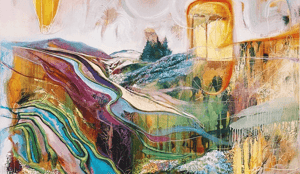
Have you ever finished a painting and felt like something was off, even though every inch was full of detail and effort? It might not be your skill. It might be your lack of resting space.
Resting space is one of the most overlooked elements in a painting, yet it is essential for creating clarity, impact, and emotional connection.
Let’s break down why it matters and how to use it intentionally.
What Is Resting Space?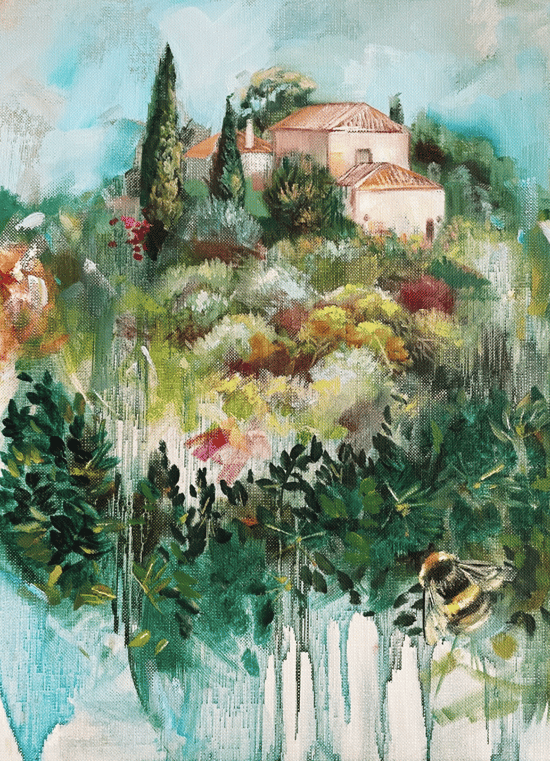
Resting space is any area in your painting where the viewer’s eye can pause. It is typically simpler, quieter, and less detailed than your focal area.
Think of it as a visual breath.
It might be:
- A soft, blended background
- A large shape with minimal texture
- An area with reduced contrast
- A passage with less color intensity
It is not empty. It is intentional.
Why Your Painting Needs It
1 - It Gives the Eye a Place to Land
If everything in your painting is loud, nothing stands out.
When the entire surface is full of detail, contrast, and edges, the viewer’s eye has nowhere to rest. This creates visual fatigue and confusion.
Resting space allows the viewer to slow down and actually experience your work.
2 - It Makes Your Focal Point Stronger
Your focal point only works if something else is quieter.
By simplifying areas around your subject, you create contrast. Not just in value or color, but in complexity.
This contrast is what pulls the viewer exactly where you want them to look.
Without resting space, your focal point competes instead of leads.
Hear from the judges on The Outstanding Artist, Season 4, about creating white space...
3 - It Creates a Sense of Design
Strong paintings are not just realistic. They are designed.
Resting space helps you organize your composition into clear, readable shapes. It allows you to group information and avoid unnecessary noise.
When your painting has structure, it feels intentional and professional.
4 - It Enhances Mood and Emotion
Busy areas create tension. Quiet areas create calm.
By controlling where your painting is active and where it is still, you guide the emotional experience of the viewer.
A painting without resting space often feels chaotic. A painting with it feels balanced and complete.
Signs You Might Be Missing Resting Space
- You feel the urge to keep adding more everywhere
- Every area has the same level of detail
- Your focal point does not stand out clearly
- The painting feels overwhelming or cluttered
- You are afraid to leave any area “unfinished”
If this sounds familiar, you are not alone. Many artists equate effort with filling every inch.
But mastery comes from restraint.
How to Create Resting Space
1 - Simplify Shapes
Group areas into larger, more unified shapes instead of breaking everything into small pieces.
2 - Soften Edges
Not every edge needs to be sharp. Lost and soft edges create visual rest.
3 - Reduce Contrast
Keep your highest contrast in your focal area. Let other areas stay closer in value.
4 - Limit Detail
Ask yourself where detail actually matters. Then let other areas stay simple.
5 - Step Back Often
When you step back, it becomes obvious where your painting feels too busy.
A Mindset Shift-2.jpg?width=638&height=510&name=DSC07584.ARW%20(1)-2.jpg)
Resting space is not about doing less. It is about doing what matters most.
It takes confidence to leave areas quiet. It takes intention to resist overworking.
When you start designing your paintings with both activity and rest, everything begins to click.
Final Thought
Your painting is a conversation with the viewer. If you never pause, they cannot listen.
Give them space to breathe. Give your focal point room to shine. Give your work the clarity it deserves.
If you are ready to take your compositions, confidence, and artistic voice to the next level, the Mastery Program is designed to guide you step by step.
Inside, you will learn not just how to paint, but how to think like an artist, design with intention, and create work that truly connects.
Your next level is waiting.