
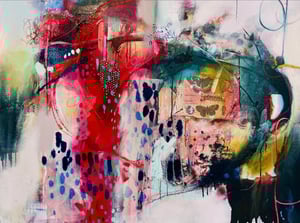
Color is one of the most powerful tools a painter has. It creates emotion, harmony, depth, and movement on the canvas. At its best, color is not decoration. It is communication. Learning to use a color wheel helps painters move from guessing to intentional decision making.
This guide explains how to use a color wheel specifically for painting, so you can mix with confidence, create harmony, and bring greater clarity and energy to your work.
What Is a Color Wheel?
A color wheel is a visual map that shows how colors relate to one another. For painters, it serves as a guide for mixing paint, understanding contrast, and building harmony throughout a composition.
The traditional color wheel used in painting is based on the RYB system red, yellow, and blue. This system reflects how pigments actually behave on the palette and has been used by painters for centuries.
When you understand the color wheel, you begin to see color relationships everywhere, in light and shadow, in skin tones, in landscapes, and in atmosphere.
🖌️ Want to be a master of color and create art that captivates?
Join hundreds of artists transforming their creative process through our Mastery Program. From design principles to professional-level critique, this immersive experience will sharpen your skills and elevate your art.
Understanding the Foundation of the Color Wheel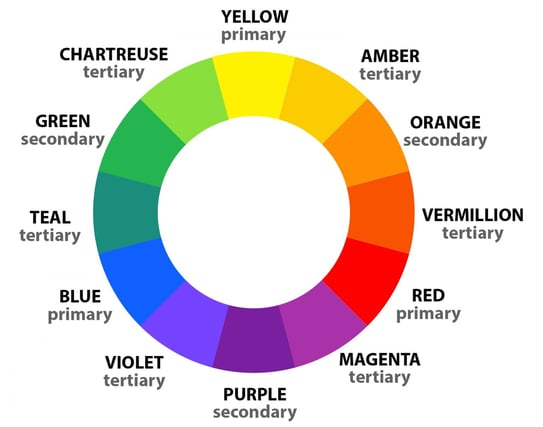
Before applying color theory to a painting, it is essential to understand how the wheel is structured.
Primary Colors
The primary colors in painting are red, yellow, and blue. These pigments cannot be mixed from other colors. Every color you use on the canvas originates from these three.
Secondary Colors
Secondary colors are created by mixing two primary colors.
-
Red and yellow create orange
-
Yellow and blue create green
-
Blue and red create violet
These mixtures form the second ring of the color wheel and expand the painter’s range.
Tertiary Colors
Tertiary colors are created by mixing a primary color with a neighboring secondary color, such as blue green or red orange. These subtle variations are where painting becomes more natural and expressive. They allow for smoother transitions and more believable color relationships.
Using the Color Wheel to Create Harmony
Color harmony is not about rigid rules. It is about relationships. The color wheel helps painters understand which colors naturally support each other and which create contrast and tension.
Complementary Colors
Complementary colors sit opposite each other on the color wheel, such as blue and orange, red and green, or yellow and violet.
In painting, complementary colors are essential for creating vibrancy and depth. When placed next to each other, both colors appear more intense. When mixed together, they neutralize one another, creating rich grays and earth tones.
Painters often use complementary colors to:
-
Create strong focal points
-
Add life to shadows
-
Control saturation without relying on black
Used thoughtfully, complements bring balance and energy rather than harsh contrast.
Analogous Colors
Analogous colors sit next to each other on the color wheel, such as blue, blue green, and green.
This color harmony feels calm, unified, and natural. It is commonly used in landscapes, still lifes, and atmospheric paintings where mood and cohesion are more important than high contrast.
When working with analogous colors, changes in value and temperature help maintain interest and depth.
Triadic Color Harmony
Triadic color schemes use three colors evenly spaced around the color wheel, such as red, yellow, and blue.
This approach creates balance and vibrancy. It is often used in expressive and contemporary painting.
A successful triadic palette usually has one dominant color, with the other two used in muted mixtures or smaller accents to support the composition.
Monochromatic Color
A monochromatic palette uses one color in a range of values and intensities.
This approach is both simple and powerful. It trains painters to see value, edges, and temperature shifts without relying on multiple hues. Many painters use monochromatic studies to strengthen their foundations before introducing full color.
Warm and Cool Color Relationships
The color wheel is often divided into warm and cool colors.
Warm colors such as red, orange, and yellow tend to advance toward the viewer and feel energetic or inviting. Cool colors such as blue, green, and violet tend to recede and feel calm or atmospheric.
Understanding warm and cool relationships allows painters to create depth, light, and form. A warm light against a cool shadow or a cool highlight against a warm midtone can bring a painting to life.
Using the Color Wheel at the Easel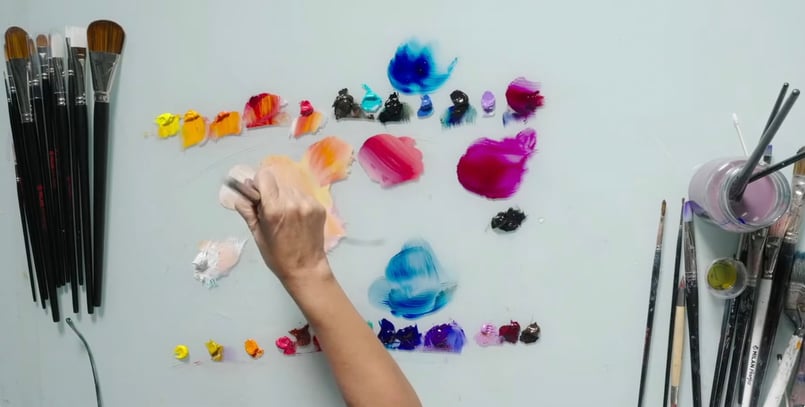
In the studio, the color wheel becomes a practical tool rather than a theoretical one.
Painters use it to:
-
Mix cleaner, more intentional colors
-
Control saturation and avoid muddy mixtures
-
Create believable shadows using complementary colors
-
Maintain harmony across the entire painting
The goal is not perfection. The goal is awareness. Each color choice becomes deliberate and connected to the whole.
Final Thoughts
The color wheel is not a set of restrictions. It is a teacher. It helps painters move beyond copying what they see and toward understanding why colors work the way they do.
When you learn to use the color wheel intuitively, your paintings gain confidence, clarity, and emotional strength. Color stops being something you hope works and becomes something you know how to shape and control.
🖌️ Want to be a master of color and create art that captivates?
Join hundreds of artists transforming their creative process through our Mastery Program. From design principles to professional-level critique, this immersive experience will sharpen your skills and elevate your art.