A strong studio practice is one of the most underrated tools an artist can develop. Your studio is not just a workspace. It is where ideas take shape, habits are formed, and momentum is built. Whether you are working out of a spare room, a garage, or a dedicated studio space, how you set it up and care for it directly affects your growth as an artist.
In this guide, we explore practical studio practices that help artists work more efficiently and professionally. From setting up lighting, to staying organized, to creative home studio ideas, these foundations will support your art practice for years to come.
How to Set Up Lights in Your Studio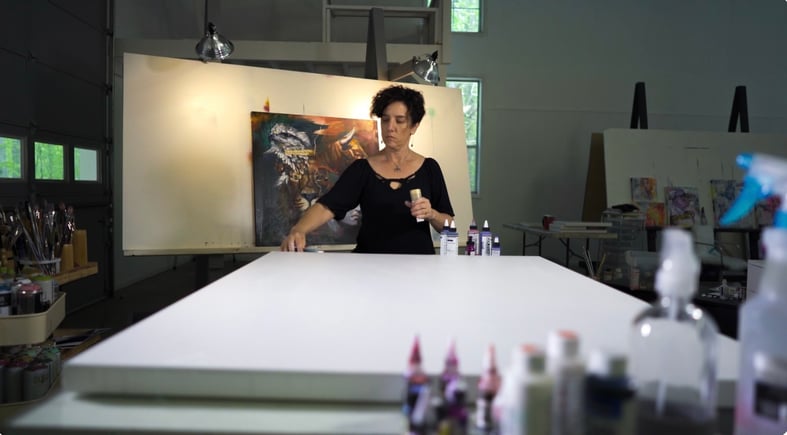
Lighting is one of the most important, and often overlooked, aspects of a functional art studio. Poor lighting can distort color, create eye strain, and make long studio sessions exhausting. Thoughtful lighting, on the other hand, allows you to see your work clearly and confidently.
1 - Prioritize Natural Light When Possible
North-facing light is often considered ideal for artists because it is consistent and indirect throughout the day. If you have access to a window, position your workspace so light falls evenly across your surface. Avoid direct sunlight hitting your artwork, as it can create glare and harsh shadows.
2 - Use Neutral Artificial Lighting
When natural light is limited, artificial lighting becomes essential. Choose daylight balanced bulbs, typically labeled between 5000K and 6500K. These bulbs mimic natural daylight and help you see true colors in your work.
Clamp lights, floor lamps, or adjustable arm lamps are excellent options for home studios. Position lights at a slight angle to your work rather than directly overhead to reduce glare, especially if you work with paint, graphite, or mixed media.
3 - Create Layered Lighting
Professional studios often use layered lighting. Combine general ambient lighting with focused task lighting. Ambient light fills the room, while task lights illuminate your artwork directly. This setup gives you flexibility for different times of day and different stages of your process.
Good lighting is not about perfection. It is about consistency and clarity. When you can trust what you see, you can make stronger artistic decisions.
Becoming a Professional Artist: Tips to Keep Your Art Studio Organized
Organization is not about being neat for the sake of appearances. It is about creating a studio that supports focus, flow, and long term sustainability. Many professional artists credit their consistency to simple organizational systems.
1 - Define Zones in Your Studio
Even in a small space, it helps to define zones. Create separate areas for creating, storing supplies, drying work, and documenting finished pieces. When everything has a place, you spend less time searching and more time creating.
2 - Store Supplies by Frequency of Use
Keep your most used materials within arm’s reach. Less frequently used tools can be stored higher or farther away. This simple shift reduces friction and helps maintain momentum during studio sessions.
Clear bins, open shelving, and labeled drawers make it easier to see what you have. When you can visually access your materials, you are more likely to use them.
3 - Reset Your Studio Regularly
A quick studio reset at the end of each session can transform your workflow. Clean brushes, wipe surfaces, and return tools to their place. This small habit sets you up for a smoother start next time and reinforces a professional mindset.
An organized studio sends a powerful signal to yourself. It says that your work matters and that you are showing up for it consistently.
5 Home Studio Ideas for Artists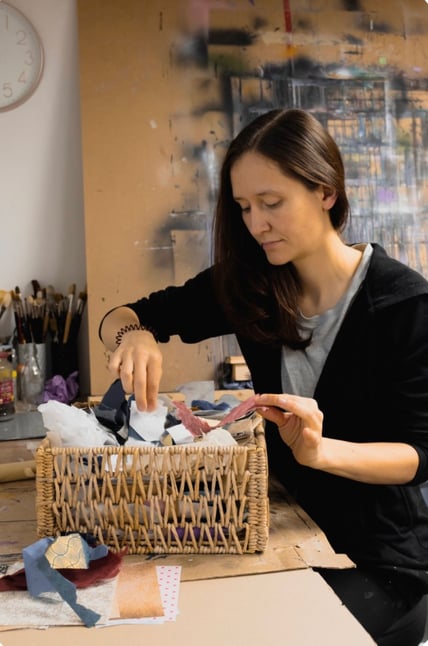
You do not need a large or expensive space to build a meaningful studio practice. Many artists work from home and create deeply impactful work. Here are five home studio ideas to inspire your setup.
1 - The Multi-Purpose Room Studio
If your studio shares space with a bedroom or living area, use movable furniture and rolling carts. A foldable table, portable easel, or mobile supply cart allows you to transition into studio mode when needed.
2 - The Vertical Storage Studio
When floor space is limited, think vertically. Wall-mounted shelves, pegboards, and hanging organizers free up valuable room while keeping supplies accessible.
3 - The Minimalist Focus Studio
Some artists thrive in minimal environments. Keep only essential tools visible and store everything else out of sight. This reduces visual noise and helps maintain focus.
4 - The Inspiration Wall Studio
Designate one wall for inspiration. Pin sketches, color palettes, references, or works in progress. This creates visual continuity and keeps your ideas front and center.
5 - The Portable Studio Setup
If you need flexibility, create a portable studio kit. Store your core supplies in one container so you can work at a kitchen table, on a balcony, or in a shared space without setup fatigue.
The best home studio is the one you actually use. Design with your habits in mind, not an idealized version of how you think you should work.
Building Sustainable Studio Practices
Beyond setup and organization, strong studio practices come from consistency. Set regular studio hours when possible. Treat your creative time with the same respect you would any professional commitment.
Document your work, reflect on your process, and allow your studio to evolve as your practice grows. Your needs will change, and your space should change with you.
A well-cared-for studio supports not just productivity, but confidence. It becomes a place where ideas feel possible and progress feels natural.
Studio Rituals and Creative Transitions
Strong studio practices are not only about physical setup. They are also about how you enter and exit your creative work. Simple rituals can reduce resistance and help you begin even when motivation feels low.
This might look like turning on the same music, adjusting your lights, stretching for a few minutes, or starting each session with quick sketches. Ending rituals matter too. Cleaning brushes, photographing progress, or writing a short note about what comes next helps close the session with clarity instead of fatigue.
Managing Energy, Not Just Time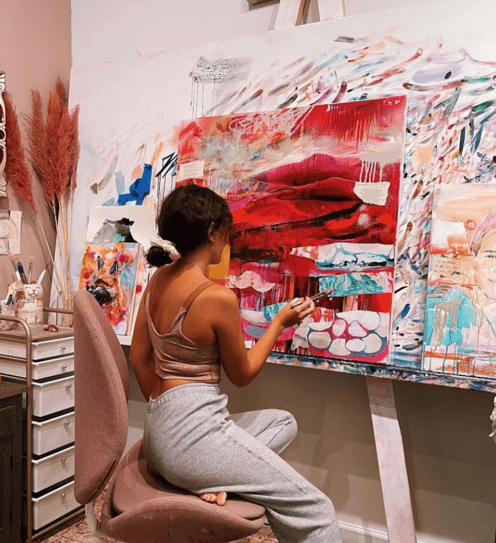
A sustainable studio practice is built around energy, not productivity hacks. Notice when you feel most focused, playful, or analytical, and match tasks accordingly.
Use high-energy moments for experimentation and decision making. Save lower energy periods for organizing, prepping surfaces, or cleaning. Rest is not a reward. It is part of the creative cycle.
Studio Practices for Different Mediums
No two studios need to look the same. A painter’s studio has different needs than a mixed media or drawing-based practice. Digital artists working traditionally also need flexible setups.
Design your studio around your dominant medium while leaving room to explore. Allow your space to support what you are making now, not what you think an artist studio should look like.
Safety and Health in the Studio
Professional artists care for their bodies as much as their work. Good ventilation, proper posture, and eye protection support long term creativity.
Adjust table height when possible. Take breaks to stretch. Be mindful of fumes, dust, and repetitive motions. These practices protect your ability to create for years to come.
Documentation and Archiving as Studio Practice
Documenting your work is part of being a professional artist. Set up a simple photo area in your studio, even if it is just a clear wall and natural light.
Photograph work in progress, finished pieces, and experiments. Label and date your work. Keep brief notes about materials and ideas. This habit supports portfolios, exhibitions, and confidence.
Emotional and Mental Boundaries in the Studio
Studios hold emotional weight. Separate creation time from critique time. Allow unfinished work to rest without judgment.
Give yourself permission to experiment, fail, and make work that does not need to be shared. A healthy studio practice includes emotional safety.
Studio Practice When Life Is Busy
Consistency does not require long sessions. Short, focused studio time adds up.
Leave work set up when possible. Aim for 20 to 30-minute sessions during busy seasons. Staying connected to your practice, even lightly, builds resilience.
Letting Your Studio Evolve
Your studio should change as you grow. Periodically reassess your space. Let go of tools that no longer serve your direction. Rearrange layouts to match new goals.
A studio is a living system that evolves alongside your work.
A well-designed studio supports growth, but guidance, feedback, and accountability accelerate it.
Inside the Mastery Program, artists learn how to build a consistent studio practice, refine their skills, and develop the mindset of a professional artist. Through mentorship, community, and structured learning, you are supported every step of the way.
If you are ready to strengthen your practice and take your work seriously, the Mastery Program is where that transformation begins.