
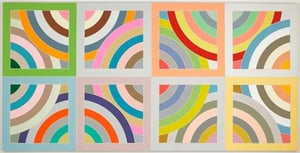
Minimalism is a powerful reminder that art doesn’t need excess to make an impact. By stripping away the unnecessary, Minimalist artists focus on what truly matters: form, space, balance, and intention. At its core, Minimalism invites both the artist and the viewer to slow down, observe carefully, and discover meaning in simplicity.
Rather than overwhelming the eye with detail, Minimalist art creates space, space to breathe, to reflect, and to connect with the quiet strength of thoughtfully chosen elements. Clean lines, basic geometric forms, and restrained color palettes work together to create artwork that feels calm, deliberate, and deeply focused.
If you want to create art that you love—and that others will love too—the key is developing your skills with intention. To help you become the artist you know you’re meant to be, we’ve designed a one-year immersive journey that will guide you every step of the way. Join the Mastery Program and unlock your full artistic potential.
What Is Minimalism in Art?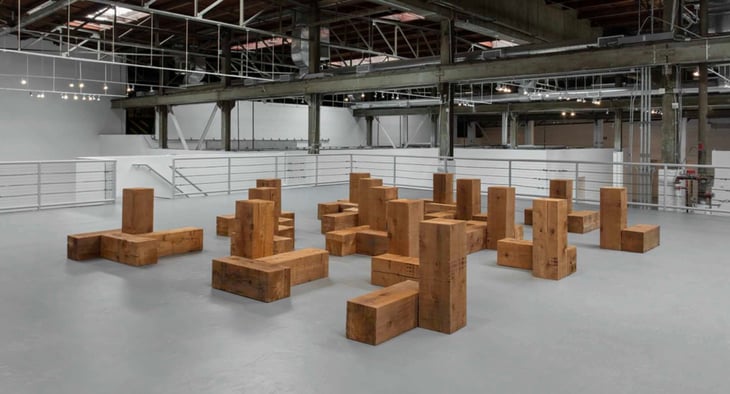
Minimalism is about reducing art to its essential elements, nothing added, nothing accidental. Often described by the phrase “less is more,” this approach emphasizes clarity over complexity. Shapes are simple, compositions are intentional, and every decision serves a purpose.
Minimalist artists frequently work with geometric forms such as squares, rectangles, and lines, paired with neutral or softly contrasting colors. Instead of telling a story or depicting recognizable imagery, the artwork invites viewers to engage directly with form, proportion, and space. The result is art that feels grounded, balanced, and quietly powerful.
Carl Andre: Sculpture as Place, 1958–2010
In Minimalism, negative space is just as important as the forms themselves. The space surrounding shapes allows the work to breathe and encourages the viewer to pause, notice subtle details, and experience the beauty of restraint.
 The Intention Behind Minimalism
Minimalism isn’t about emptiness; it’s about intention. Each line, shape, and color is chosen with care. By removing distractions, the artist creates an experience of clarity and presence. Viewers are encouraged to slow down and engage with the artwork on a deeper level, noticing how small shifts in placement, rhythm, or proportion can dramatically change the overall feeling.
This mindful approach makes Minimalism both a visual and emotional experience. Calm, balance, and stillness are not accidental—they are carefully constructed through thoughtful design and disciplined decision-making.
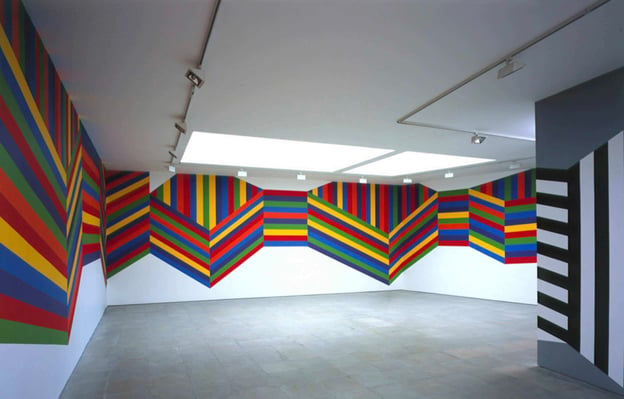
Sol LeWitt: Wall Drawing #1138: Forms composed of bands of color;2004
Key Minimalist Artists: Donald Judd and Agnes Martin
Two artists who helped define Minimalism are Donald Judd and Agnes Martin. While their approaches differ, both demonstrate how simplicity can create a profound impact.
Donald Judd%20(1967).jpg?width=322&height=430&name=DonaldJudd_Untitled%20(Stack)%20(1967).jpg)
Donald Judd is known for his precise, three-dimensional works that emphasize repetition, structure, and clarity. His Untitled (Stack) (1967) features a vertical arrangement of identical rectangular forms mounted on the wall. The repetition creates rhythm and order, allowing the viewer to experience the artwork as a physical presence rather than a representation.
Judd believed that art didn’t need symbolism or narrative; it should simply exist. His work encourages viewers to engage with shape, material, and space exactly as they are.
Donald Judd - Untitled (Stack) (1967)
.jpg?width=460&height=458&name=Agnes%20Martin%20Untitled%20%235%20(1998).jpg) Agnes Martin
Agnes Martin
Agnes Martin’s work offers a softer, more meditative approach to Minimalism. Her paintings often feature delicate grids, subtle lines, and gentle color palettes. In works like Untitled #5 (1998), Martin uses repetition and restraint to evoke feelings of peace, harmony, and quiet joy.
Martin believed that simplicity could express emotion without imagery. Her work demonstrates how Minimalism can connect deeply with the viewer through balance, rhythm, and sensitivity.
Together, Judd and Martin show that even the most understated elements can create powerful visual and emotional experiences.
Agnes Martin - Untitled #5 (1998)
The Power of Simplicity
Minimalism teaches us that meaning doesn’t come from complexity; it comes from clarity. By focusing on essential forms and carefully considered space, Minimalist artists create works that feel intentional, serene, and timeless.
This approach challenges artists to be thoughtful with every choice. A small adjustment in spacing, proportion, or color can transform an entire composition. In Minimalism, nothing is accidental, and that discipline strengthens an artist’s ability to communicate with confidence and precision.
Why Minimalism Still Inspires Today 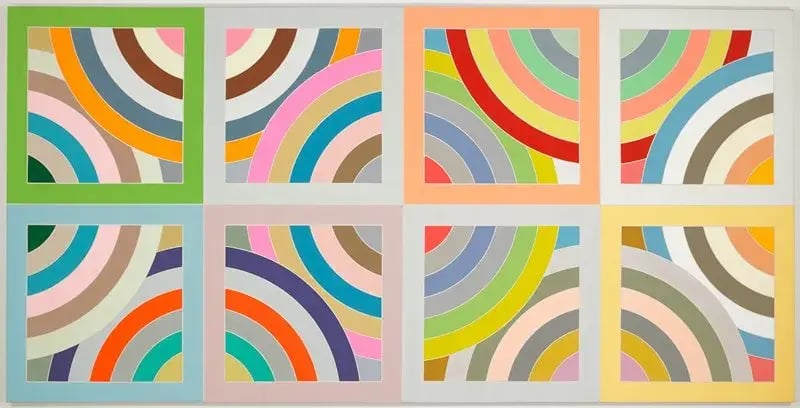
Minimalism’s influence reaches far beyond the art world. You’ll see its principles reflected in architecture, interior design, fashion, and digital media. Clean lines, open space, and intentional design have become hallmarks of modern creativity.
In a world filled with constant noise and distraction, Minimalism offers a sense of calm and focus. It encourages mindfulness and reminds us that we don’t need more to experience beauty sometimes; less is exactly enough.
Why Artists Should Explore Minimalism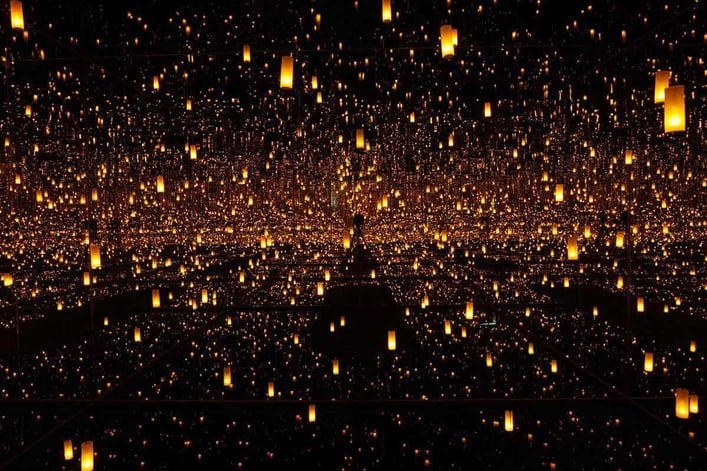
Minimalism is an invaluable practice for artists at any stage of their journey. By working with fewer elements, you strengthen your ability to see clearly, make confident decisions, and create balanced compositions. This style sharpens your awareness of form, proportion, and space—skills that translate into every artistic discipline.
At the Milan Art Institute, we encourage artists to explore Minimalism as a way to develop focus, intentionality, and visual clarity. Whether you fully embrace the style or use it as a foundation for other approaches, the lessons of Minimalism will elevate your work and deepen your artistic voice.
Yayoi Kusama "Infinity Mirror Room Aftermath-Obliteration Eternity"
Embracing the Minimalist Mindset
Minimalism reminds us that every line matters. Every shape has a purpose. Through simplicity, art becomes direct, honest, and powerful.
When you embrace a Minimalist approach, you learn to trust restraint, value space, and find meaning in what remains. In doing so, you discover that sometimes the strongest artistic statement is the one that says just enough and no more.
Why Milan Art Institute?
Your Path to Artistic Mastery Starts Here
At the Milan Art Institute, we combine passion, expertise, and personalized instruction to help artists reach their full potential. Our Mastery Program and online art courses are designed for artists of all levels, offering step-by-step guidance, professional mentorship, and a supportive creative community.
Whether you’re refining foundational skills, exploring new styles, or building a sustainable art career, we’re here to support your journey. Join us in the Mastery Program and discover how clarity, intention, and mastery can transform your art and your future.
Why Milan Art Institute?
Your Path to Artistic Mastery Starts Here
At the Milan Art Institute, we blend passion with expertise to help you unlock your artistic potential. Our Mastery Program and online art classes are designed for artists at all levels, providing step-by-step guidance and personalized support from seasoned professionals. Whether you're looking to refine your skills, discover new techniques, or build your artistic career, our courses offer the tools and insights you need. Join our vibrant community and transform your art journey with tailored instruction and a supportive environment.

What Our Students Are Saying