
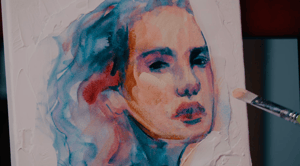
One of the most common challenges artists face in portrait painting is mixing believable skin tones. Too often, flesh tones turn muddy, flat, or lifeless. In most cases, the issue comes from relying too heavily on brown and white.
This portrait painting tutorial takes a different approach. Instead of using premixed browns, it focuses on building skin tones from a full, expressive palette. By mixing complementary colors, layering glazes, and introducing unexpected hues, artists can create portraits that feel vibrant, dimensional, and alive.
These principles work beautifully in acrylics and translate seamlessly into oil painting as well.
Why Brown and White Alone Fall Short
Mixing brown with white may feel like the simplest solution, but it almost always leads to dull skin tones. Real skin contains subtle shifts in temperature, saturation, and hue that cannot be captured with such a limited palette.
More dynamic flesh tones come from mixing your own browns and grays using complementary colors. These mixtures feel fresher and more natural because they contain multiple pigments working together.
Start With a Warm, Transparent Base
The process begins with glazing. A thin wash of burnt sienna diluted with water is brushed over the white areas of the canvas. This removes the starkness of white and creates a warm undertone that supports later layers.
Working from dark to light is essential. Starting with transparent layers allows light to pass through the paint, giving the skin a subtle glow and greater depth.
Establish Depth With Dark Values
Once the base layer is in place, darker values are added to define structure and form. Areas around the eyes, nose, and shadow planes benefit from deeper tones early in the process.
Instead of using black or brown, shadows are mixed using blue and green. These cool mixtures help push areas back while keeping the painting vibrant. Squinting at your reference photo makes it easier to identify true darks and avoid overworking mid-tones too soon.
Mix Natural Browns Using Complementary Colors
One of the most important steps in mixing flesh tones is learning to create your own browns. Pairing complementary colors such as red and green, orange and blue, or purple and yellow produces rich browns and muted grays that feel alive rather than flat.
Once these base mixtures are established, small amounts of white, pink, or peach can be added to adjust value and temperature. Because these colors are built from complements, they naturally contain variation and depth.
Add Rosy and Peach Tones for Expression
Skin is never one flat color. Adding peachy, pink, and rosy hues to areas like the cheeks, lips, and nose brings warmth and emotional presence to the portrait.
Allow each brush stroke to shift slightly in hue. This prevents uniformity and creates natural transitions that feel more realistic and painterly.
Balance Warmth With Subtle Complements
If areas become overly pink or orange, a very small amount of green can be mixed in to neutralize the color. This should be done carefully. Too much green can quickly make skin appear unhealthy.
Muted tones created from complementary mixtures work especially well for gentle shading and subtle transitions across the face.
Use Unexpected Color in Highlights
One of the most powerful lessons in this approach is learning to exaggerate color thoughtfully. Bright lime green mixed with white or vivid blue, softened with white, can be used sparingly as highlights on cheekbones, lips, or the forehead.
These colors may seem surprising on the palette, but when placed intentionally, they add energy, luminosity, and visual interest to the face.
Highlights are always saved for the final stages of the painting. This ensures they remain clean, bright, and dimensional.
Layering Creates Depth and Luminance
This method relies on patience and layering. Transparent glazes come first, followed by increasingly opaque passages. Highlights are applied last.
Acrylics are especially well-suited for this process because they allow bold color exploration while remaining easy to adjust. Although acrylics are used in this tutorial, the same color mixing concepts apply directly to oil painting.
Push Color for Stronger Portraits
When you study your reference closely, you will often see purples in shadows, cool blues around the jawline, and vibrant pinks in the cheeks. Lean into those observations and push them slightly further.
Exaggerating color creates portraits that feel more expressive, emotionally engaging, and visually compelling.
Final Thoughts
Lifelike flesh tones come from understanding color relationships rather than relying on premixed solutions. By mixing complementary colors, embracing variation, and layering thoughtfully, artists can create skin tones that feel natural, vibrant, and full of life.
If you want a repeatable process for painting confident, beautiful portraits and strengthening your color skills, explore How to Paint a Beautiful Portrait Every Time