
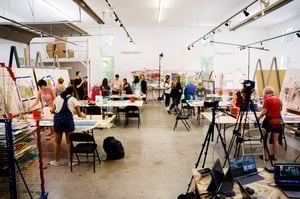
If you love creating art and want to share that passion with others, teaching can be one of the most fulfilling and flexible ways to build income. The good news is you do not need a formal degree to start in many cases. There are more opportunities than most artists realize, and many of them are hiding in plain sight.
Here is a practical guide to where you can find art teaching jobs and how to start building momentum.
1 - Start with Community-Based Programs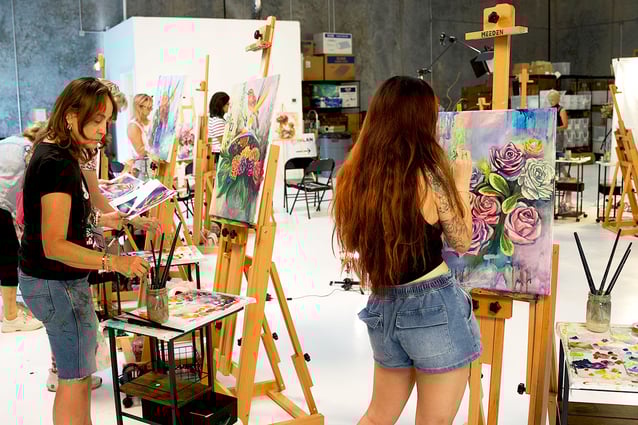
One of the easiest entry points is your local community.
Senior citizen programs are always looking for engaging, low-pressure creative activities. Art classes provide both social interaction and mental stimulation, which makes them highly valued. Reach out to community centers, assisted living facilities, and senior programs to offer a simple workshop.
The YMCA or local recreation centers are another great option. These organizations regularly run classes for kids and adults and often hire part-time instructors or accept proposals for new classes.
Local libraries are an underrated gem. Many libraries host free or low-cost workshops and are open to partnering with local artists. You can pitch a beginner-friendly class or even a short series.
2 - Explore Seasonal and Experiential Opportunities
Certain teaching opportunities pop up at specific times of the year.
Summer camps are always in need of creative instructors. Art is a staple activity, and camps often look for artists who can bring energy and structure to their programs.
Retreat centers offer a more immersive experience. These can be weekend or week-long events focused on creativity, wellness, or personal growth. If you can design a themed workshop, this can become a premium teaching opportunity.
Here from mentor and mentee competitors from The Outstanding Artist Season 4 Ep 6...
3 - Think Outside Traditional Classrooms
Not all teaching happens in schools.
Coffee shops and local businesses often host after-hours events. You can partner with them to run small art classes or themed nights. These are low-pressure environments and great for building a following.
Paint and sip events are one of the most popular entry points for artists. You can work for an existing company or create your own version by partnering with a venue.
4 - Schools Without a Degree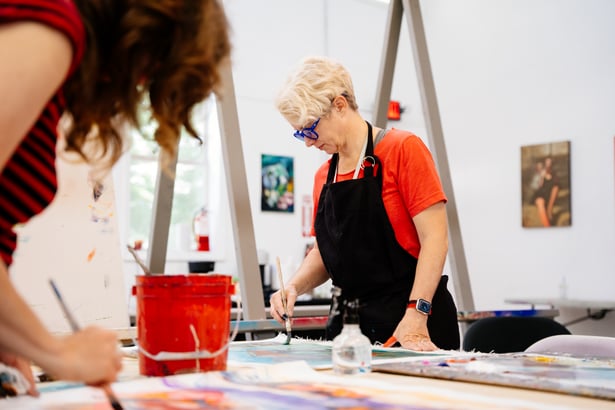
If you do not have a formal teaching degree, do not assume schools are off-limits.
In many states, private schools can hire instructors without traditional certification. Always check your local laws and requirements, but this can be a viable rewarding path for consistent teaching work.
5 - Leverage Art Spaces and Galleries
Getting involved in the art community can open doors quickly.
Offer to run a workshop at a gallery or art space. This works even better if you already exhibit your work there. When people see your art on the walls, it builds trust and makes you a natural choice as an instructor.
Look into artist-in-residency programs. These often include a teaching component where you lead workshops or engage with the community.
6 - Build Your Own Opportunities
Sometimes the best opportunities are the ones you create yourself.
Post flyers and ads for private lessons on bulletin boards in coffee shops, libraries, and grocery stores. These old-school methods still work, especially for local clients.
Join your local art league or guild and propose a class. These groups are always looking to offer value to their members.
No art league or guild in your area? Start one. It can begin as a small meetup and grow into a teaching platform, exhibition space, and creative network.
*Additional Ideas You Might Not Have Considered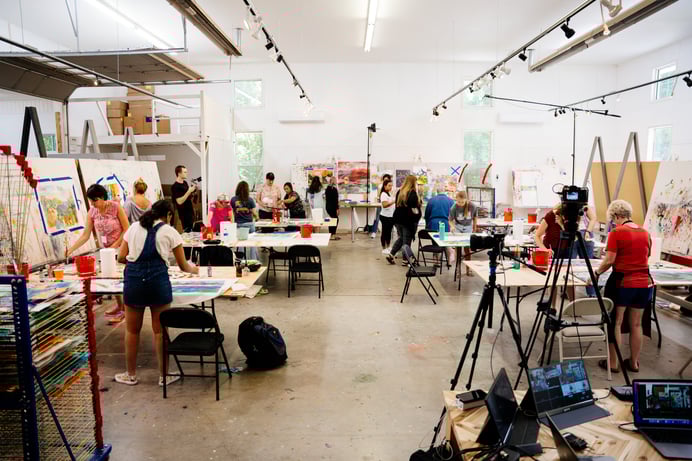
- Partner with homeschooling groups to offer weekly art classes
- Teach online workshops through platforms or your own social media
- Collaborate with event planners for birthday parties or corporate events
- Offer classes at wellness studios like yoga or meditation spaces
- Work with nonprofits that support youth or underserved communities
The Big Picture
Art teaching is not limited to one path. It is a collection of opportunities that grow as you put yourself out there. Start small, stay consistent, and focus on creating meaningful experiences for your students.
You do not need permission to begin. You just need a place, a plan, and the willingness to show up.
If you are ready to turn your creativity into a sustainable income and build real confidence as an artist and teacher, the next step is developing your skills and strategy.
Join the Mastery Program and learn how to create, teach, and grow your art career with clarity and direction.